Understanding the psychological effects of gambling on decision-making and behavior
The Allure of Gambling: An Emotional Rollercoaster
Gambling is often seen as a thrilling escape, providing an adrenaline rush that can significantly impact decision-making processes. The excitement associated with games of chance can lead individuals to make impulsive decisions, prioritizing immediate gratification over long-term consequences. This emotional high can cloud judgment, making it difficult for gamblers to assess risks realistically. Many players are turning to australian online casino neosurf to enhance their gaming experiences.
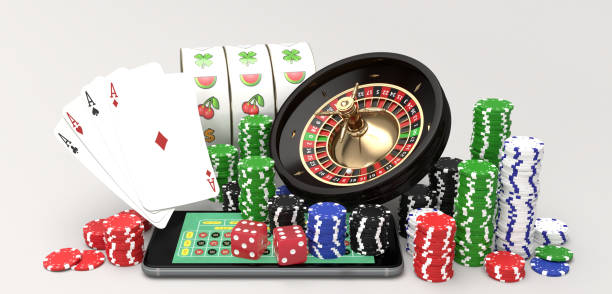
The psychological draw of gambling lies in its unpredictability, which can create a compelling feedback loop. Players may find themselves chasing losses, a behavior driven by the hope of recouping their money. This cycle can escalate as individuals become increasingly willing to take greater risks, often resulting in more significant losses and emotional distress.
Cognitive Biases: The Gambler’s Fallacy
The gambler’s fallacy is a prevalent cognitive bias that plays a critical role in decision-making within gambling contexts. It refers to the mistaken belief that past random events can influence future outcomes. For example, a player may think that a losing streak must end soon, leading them to increase their bets in hopes of an imminent win. This misinterpretation of probabilities can drastically alter a person’s gambling strategy.
Such cognitive distortions not only affect individual decision-making but can also contribute to compulsive gambling behavior. Gamblers may find it challenging to detach from their beliefs about luck and fate, which often leads to persistent engagement in gambling activities despite negative consequences. This fallacy can perpetuate a cycle of hope and disappointment, making it harder to step away.
The Role of Environment and Social Influences
The environment in which gambling occurs plays a vital role in shaping behavior and decision-making. Casinos are meticulously designed to maximize engagement, using lights, sounds, and layouts that keep players enticed. This ambiance can lead individuals to lose track of time and money, impacting their ability to make rational decisions.
Additionally, social influences are significant in the gambling world. The presence of peers or the excitement of a group can amplify the urge to gamble. Social norms often encourage risky behavior, and individuals may feel pressured to conform, leading to decisions they might not make alone. This social aspect intertwines with psychological triggers, making gambling a complex interplay of environment and mindset.
Understanding Addiction and Its Psychological Roots
Gambling addiction is a serious concern, often rooted in psychological factors such as anxiety, depression, or trauma. Individuals may turn to gambling as a coping mechanism, believing it will provide relief from their emotional struggles. However, this behavior can quickly spiral out of control, leading to significant personal and financial harm.
The psychological impacts of gambling addiction can be profound, affecting not only the individual but also their relationships and social standing. The feelings of guilt and shame that often accompany gambling-related issues can further entrench the addiction, creating a vicious cycle that is challenging to break. Understanding these psychological roots is essential for effective intervention and recovery.

Resources for Responsible Gambling
For those seeking to navigate the world of gambling responsibly, numerous resources are available. Websites offer guidance on best practices, including setting limits and recognizing the signs of problematic gambling behavior. By arming themselves with knowledge, players can make informed decisions that prioritize their well-being.
Through comprehensive resources, individuals can learn about safe gambling practices while enjoying their favorite games. Educating oneself about the psychological effects of gambling can foster a healthier relationship with this form of entertainment, ensuring that it remains a fun and engaging activity rather than a source of distress.