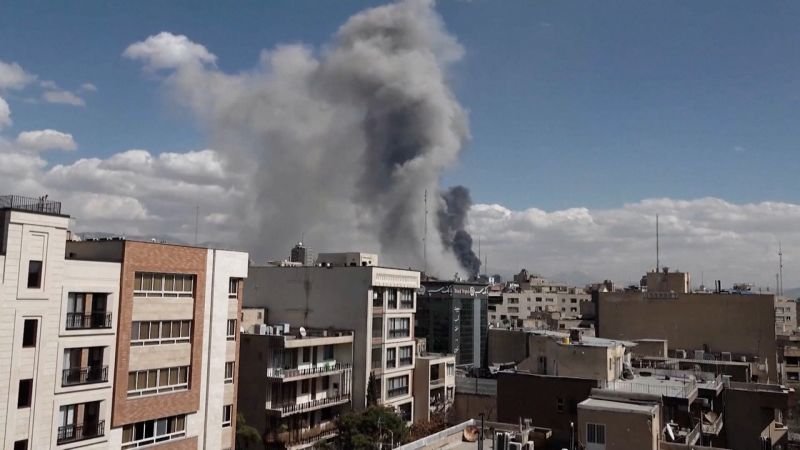

As hostilities in the Middle East intensify, escalating attacks have triggered widespread travel paralysis, leaving nations scrambling to devise evacuation strategies for stranded citizens.
Dubai International Airport, one of the world’s busiest, was damaged in missile strikes. Blasts have also been reported in other major cities in the region, including Abu Dhabi and Doha.
A wide corridor of airspace over the Middle East was closed this weekend while neighboring countries restricted flights.
The ripple effects of this freeze is being felt far beyond the region’s borders, as foreign governments work to ensure the safety and repatriation of their nationals.
Thailand has announced it is “readying to evacuate its citizens from the Middle East by military or charter flights,” according to Prime Minister Anutin Charnvirakul. Approximately 110,000 Thai nationals currently reside in the region, including roughly 65,000 in Israel and about 250 in Iran.

Similarly, Pakistan said efforts are “underway to facilitate the safe return of Pakistanis through Azerbaijan,” according to a statement from the prime minister’s office.
The Cabinet Committee on Security in India said it has “directed all concerned departments to take necessary and feasible measures to assist Indian nationals affected by the developments” in a statement Monday.
Japan is also “preparing for the possibility of evacuating Japanese nationals by land as a precautionary measure,” its cabinet secretary Minoru Kihara said during a news conference Monday.
Some context: The Middle East is home to a massive population of migrant workers, particularly from south and southeast Asia.
Countries including India, Pakistan, Bangladesh, Thailand and the Philippines have millions of citizens living and working across Gulf states as well as in Israel and Jordan.
This post has been updated with additional information.